
Advisory Services

AI Strategy | Governance | Leadership

Artificial intelligence is changing the way organisations compete, operate and make decisions. For boards and senior executives, the challenge is to understand where AI can create value, how its risks should be managed and what changes are required in leadership, governance and organisational capabilities.

Jeremy N. White Advisors provides independent advice and executive education to help organisations address these challenges. The emphasis is on strategic judgement, informed decision-making and effective governance, rather than technology implementation.

Services are tailored to the circumstances, priorities and leadership requirements of each organisation.

Jeremy N. White at the British Embassy, 22 October 2026

1. AI Board Briefings

What every board needs to understand about artificial intelligence

A focused briefing for Chairs, directors and senior executives covering the strategic and governance implications of AI.

Topics include:

  • The evolving AI landscape and its implications for business.
  • Competitive threats, productivity and economic value.
  • Regulatory developments in the UK, Europe and United States.
  • The questions boards should be asking management.
  • Practical applications and emerging opportunities.
  • Corporate governance, accountability and risk.
  • Workforce, organisational and leadership implications.

Format: Typically, 60–90 minutes, including discussion, customised to the organisation and its sector.

2. Board AI Readiness Review

Is your organisation prepared to adopt and govern AI effectively?

Boards need to understand not only the opportunities presented by AI, but also whether their organisations have the strategy, governance and capabilities necessary to realise those opportunities.

The Board AI Readiness Review is a structured assessment examining:

  • Board knowledge and engagement.
  • Governance arrangements and accountability.
  • Data, technology and cybersecurity.
  • Implementation capabilities and performance measurement.
  • AI strategy and organisational priorities.
  • Risk management and regulatory preparedness.
  • Organisational culture and workforce readiness.

The review combines discussions with directors and senior executives with an assessment of relevant strategic and governance arrangements.

Outcome: A concise report identifying principal strengths, weaknesses, risks and recommended priorities for the board.

3. Independent AI Strategy Review

Challenging assumptions and improving strategic decisions

Boards are increasingly asked to approve major investments in artificial intelligence, often involving unfamiliar technologies, uncertain financial returns and significant organisational consequences.

An independent assessment can help directors evaluate proposals, challenge assumptions and make more informed decisions.

Areas of review include:

  • Strategic objectives and competitive implications.
  • Investment priorities and alternative approaches.
  • Organisational readiness and implementation challenges.
  • Measurement of outcomes and return on investment.
  • Expected benefits and evidence supporting them.
  • Financial and operational risks.
  • Governance, accountability and regulatory exposure.

Outcome: An independent perspective on the proposed strategy, identifying important assumptions, potential weaknesses and areas requiring further consideration.

4. Executive AI Leadership Programmes

Understanding artificial intelligence beyond the technology

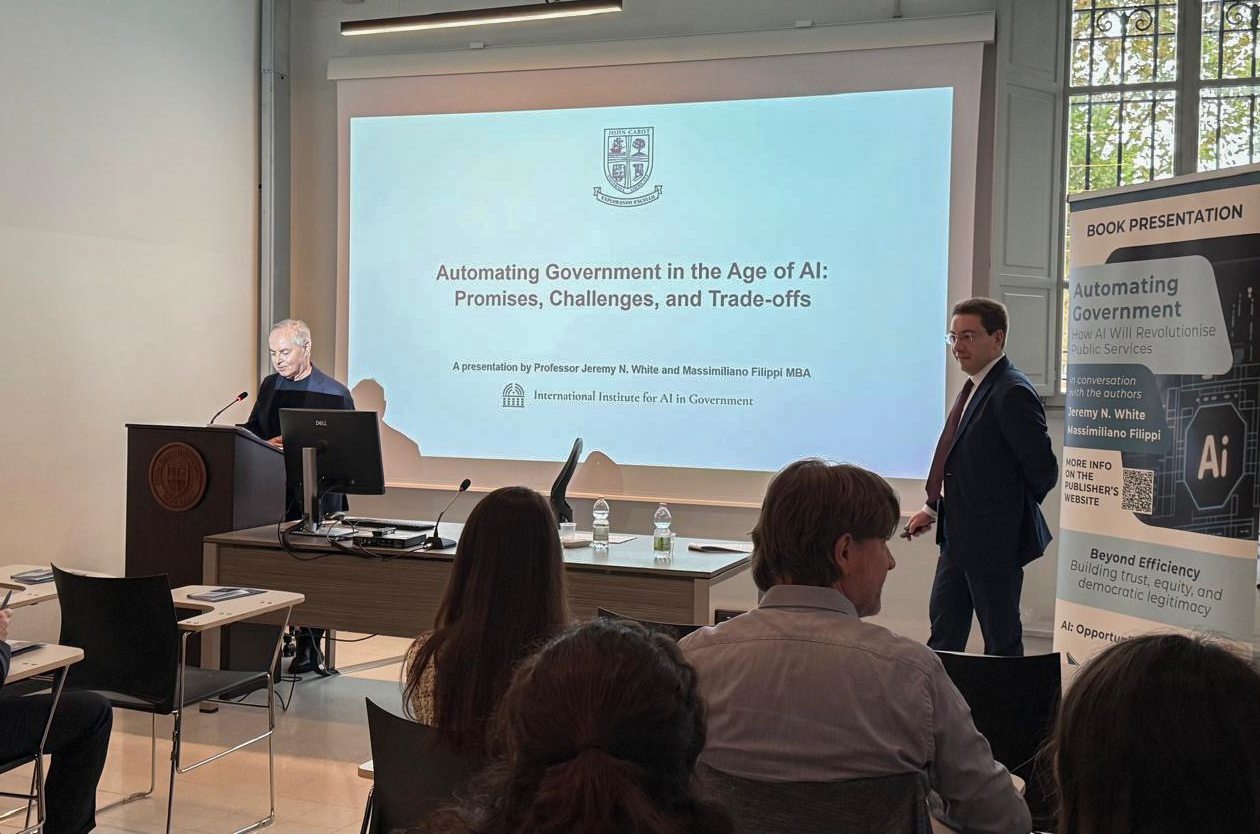
Presentation at John Cabot University, Rome, September 2026

Effective leadership in the age of AI requires more than familiarity with new technologies. Senior executives need to understand the implications for strategy, organisational performance, governance, employment and management decision-making.

Executive programmes combine relevant research, international case studies and practical business experience.

Programmes can address:

  • The development and capabilities of artificial intelligence.
  • Strategic opportunities and competitive disruption.
  • Governance, ethics and regulation.
  • Leadership responsibilities and decision-making.
  • Applications across business functions and industries.
  • AI economics, investment and productivity.
  • Workforce transformation and organisational culture.
  • Developing an organisational AI action plan.

Format: Half-day, full-day or customised executive programmes, including workshops and facilitated strategic discussions.

5. Strategic Advisory Relationships

Independent advice for Chairs and senior executives

Jeremy N. White speaking at the European University, May 2026

For organisations confronting significant AI-related strategic challenges, ongoing advisory relationships provide access to an independent perspective on emerging developments, strategic choices and governance questions.

Engagements may include periodic consultations, board discussions, reviews of management proposals and briefings on developments relevant to the organisation.

The objective is to strengthen the quality of decision-making and support the effective governance of AI adoption.

Discuss an Engagement

Jeremy N. White Advisors works with boards, senior executives and organisations seeking an independent perspective on the strategic and governance implications of artificial intelligence.